
Digital nomads: practical guide to understanding how to live and work around the world
Who are digital nomads, how digital nomadism works, and what aspects to evaluate to choose destinations, accommodations, and lifestyle suitable for remote work.
Digital nomads are professionals who work online and can do so from different locations, without being tied to a fixed office. Digital nomadism thus combines remote work and freedom of movement, but it also requires practical choices: a good connection, convenient spaces, reliable services, and destinations that are easy to experience every day.
When we talk about digital nomads, we are talking about people who work thanks to digital tools and can therefore move continuously without depending on a physical location. Their work may be self-employed or done for companies, as long as it remains compatible with distance.
Digital nomadism is therefore not only about work itself, but also about a different approach to everyday life: living for shorter or longer periods in different places, choosing destinations based on cost of living, quality of services, climate, international community, and ability to balance work and leisure.
What are the best jobs to do as a digital nomad
The most suitable jobs are those that can be handled entirely online. Common ones include digital marketing, copywriting, software development, design, consulting, customer support, e-commerce management, translation, project management, online training, and content creation.
In general, the more an activity can be organized by goals and the less it requires physical presence, the more compatible it is with digital nomad life.
Digital nomads and digital nomadism: difference between smart working and life on the move
There is often confusion between smart working and digital nomadism, but they are not the same thing.
- Smart working is a way of working: you can work from home, from a coworking space or from another city, even while remaining stable in the same place.
- Digital nomadism, on the other hand, is a way of life: working remotely becomes the tool that allows people to move and live in multiple destinations throughout the year.
In practice, those who do smart work are not necessarily digital nomads. Instead, those who choose digital nomadism almost always use a flexible, digital work formula.
How digital nomads live: lifestyle and routines
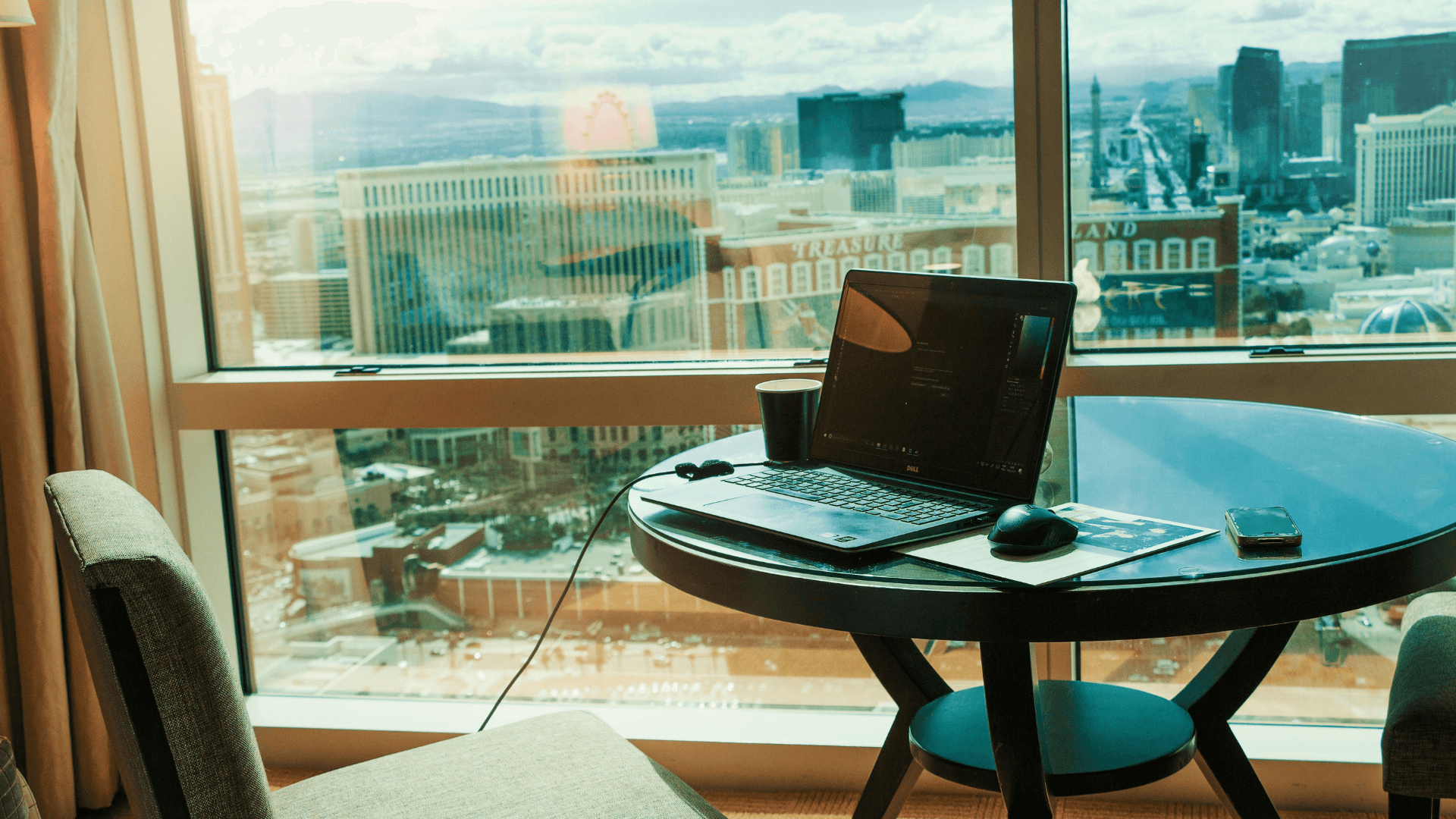
The romantic image of the sea-view laptop is only part of the story. In reality, many digital nomads build very precise routines: hours devoted to work, moments to explore the destination, reliable spaces in which to focus, healthy habits, and a strong focus on the balance between productivity and well-being.
The real challenge is not just getting around, but being able to maintain continuity: good connectivity, silence, comfort, regular sleep, simple logistics, and accommodations that make daily work truly sustainable.
Digital nomads: what they look for in a destination
An ideal destination for digital nomads must offer more than just a beautiful view. Above all, reliable Wi-Fi, a balanced cost of living, safety, ease in travel, nearby essential services, cozy spaces in which to work, and an overall good quality of leisure time count.
Alongside this, many value the presence of coworking, expat communities, networking events, work-friendly bars and a pace of life compatible with concentration. A city that is beautiful but uncomfortable to live in every day is likely to work for a weekend, not for a stay of several weeks.
Where they usually live and stay
Digital nomads often choose apartments, aparthotels, rooms in well-equipped hotels or hybrid facilities that allow flexible stays.
The choice depends on the length of stay and the type of work, but there are some recurring priorities:
- comfortable desk
- privacy
- stable connection
- simple check-in
- digital services
- useful location for both working and living in the city.
This is why hotels are becoming very attractive again: compared to an impromptu rental they offer more predictable standards, assistance, comfort and less organizational friction. For those who work while traveling, this is not a detail.
Digital nomads: what are the best destinations to live and work today
The best destinations for digital nomads today are those that combine infrastructure, livability and inspiration. In Europe, cities such as Lisbon, Valencia, Barcelona, Athens and some well-connected parts of Italy continue to be popular. Less chaotic seaside resorts or art cities are also becoming attractive to those who want to alternate between work and quality of life.
Italy has a strong advantage: it offers well-served cities and towns, seaside destinations and places perfect for bleisure stays, that is, between work and leisure.
For those seeking a mix of beauty, gastronomy, connections and a more human pace, it remains a very competitive choice.
Some useful criteria for really choosing well
Before booking, it pays to always check Wi-Fi speed, presence of a work zone, connections to stations or airports, seasonality of prices, and quality of nearby services. A destination suitable for digital nomadism is one that holds up well to everyday life, not just first weekend photos.
Digital nomads: what is the digital nomad permit and what are the requirements in 2026
In Italy, the regulatory reference for non-EU nationals became operational with the Interministerial Decree of February 29, 2024, published in the Official Gazette on April 4, 2024. The framework provides for entry and stay for those remotely engaged in highly skilled work, either self-employed or for an employer.
The requirements in 2026 generally include adequate minimum annual income, valid health insurance for residence, availability of suitable housing, previous experience of at least six months in the job, and meeting the requirements of "highly qualified worker." Some venues also indicate an income threshold of about 28,000 euros per year as three times the relevant minimum level for exemption from health care spending.
"Highly qualified" does not only mean having a bachelor's degree: specific professional qualifications or documented experience may also apply, as applicable.
Digital nomads: why housing choice makes a difference
For those who work while traveling, lodging is not just the place to sleep. It is the space in which to have video call meetings, focus, recharge, and organize the day. A well-selected room can improve productivity, comfort and overall quality of stay. A poor choice, on the other hand, makes everything more complicated.
This is where finding reliable, well-located facilities designed for modern travelers counts. Hotiday offers Room Collection within selected facilities in more than 100 destinations in Europe.
Living as a digital nomad does not mean working everywhere, but choosing well where to do so. And when the right facility combines comfort, service, and flexibility, even the routine on the road becomes easier.

Digital nomads are not just looking for freedom of movement: they are looking for places that help them work well and live better. Understanding the difference between smart working and digital nomadism, carefully evaluating destinations, services, and entry documents is the first step in building a truly sustainable experience.
Therefore, when choosing lodging, it matters to have reliable standards, digital services, and destinations that accommodate different rhythms, from a week's workation to longer stays.
On Hotiday you can start here: explore our destinations, discover the benefits such as Digital Concierge and 24/7 Whatsapp support and get inspired.